New report reveals the supermarkets selling suffering.
Want to know which supermarkets are selling fast-growing Frankenchickens? Our new report reveals all.
 Holly Spindler


Want to know which supermarkets are selling fast-growing Frankenchickens? Our new report reveals all.
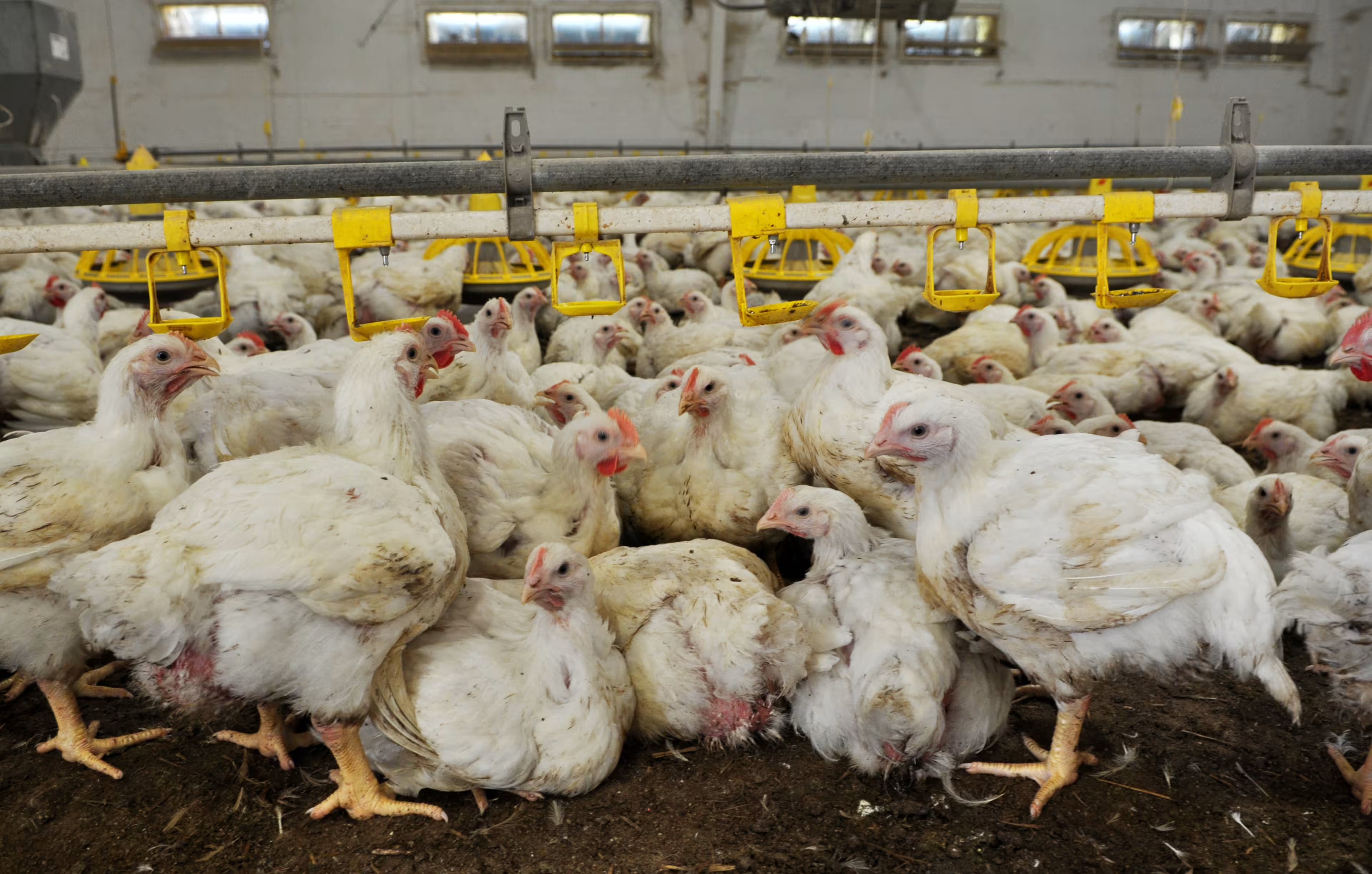


Over a billion chickens raised for meat are being confined to factory farms in the UK.
Selectively bred to grow as fast as possible, these animals often cannot support their own weight and are forced to lay in their own waste that painfully burns their skin. A victim of the corporate drive for profit, we called these birds ‘Frankenchickens’.
Many companies are replacing fast-growing Frankenchickens with healthier, slower growing breeds. But most of the UK supermarkets are refusing to change, condemning millions of chickens to a short life filled with suffering.
If supermarkets spearheaded the movement to stop using Frankenchickens, billions of animals could have better lives in the coming years...We must ban the breed that has suffering built in - the status-quo is cruel, wasteful and unjustifiable.
- Hugh Fearnley-Whittingstall
Our new report reveals an industry in desperate need of change. For decades, Frankenchickens have been raised and killed in their billions. And the supermarkets are running out of excuses. This is a choice between changing the breed and animal cruelty.
Our report shows the public desire to have animal welfare front and centre. But many are confused by ‘welfare washing’. The labels on chicken products are unclear, and high-budget marketing campaigns mislead customers as to the true condition of the animals they are eating.
But the tide is changing. People are demanding better treatment of chickens and the supermarkets need to keep up.
Update 22 August 2024
We wanted to spread the word about supermarkets selling Frankenchickens to unsuspecting UK shoppers so we dispatched an advan round the streets of Manchester. Here's what happened.